The Victorian Head Gardener: A Garden of Many Purposes

Traditional Kitchen Gardener's Role
The traditional kitchen gardener plays a vital role in the culinary landscape, often serving as the steward of heritage varieties and seasonal practices. This role encompasses not only the cultivation of vegetables and herbs but also the preservation of biodiversity and cultural practices tied to food production. Kitchen gardeners have historically been responsible for supplying fresh produce to households, ensuring that families have access to nutritious and flavourful ingredients.

Heritage Varieties
Heritage varieties, often referred to as heirloom varieties, are plants that have been passed down through generations. They are typically open-pollinated, meaning they can be saved and replanted year after year. The significance of these varieties lies in their unique flavours, colours, and resistance to local pests and diseases. Some notable heritage varieties include:
Tomatoes: Traditional British favourites such as ‘Ailsa Craig’, ‘Moneymaker’ and ‘Craigella’, valued for their flavour and long history in British kitchen gardens.
Beans: Classic varieties such as ‘Scarlet Emperor’ runner beans, ‘Canadian Wonder’ dwarf French beans and ‘Cosse Violette’ climbing French beans.
Squash: Traditional varieties such as ‘Turks Turban’ and ‘Golden Hubbard’, bringing unusual shapes, colours and character to the autumn garden.
Herbs: Traditional kitchen-garden herbs such as common thyme, parsley, chives and sage, alongside French tarragon and other useful culinary herbs.
By cultivating these heritage varieties, kitchen gardeners contribute to the preservation of genetic diversity, which is crucial for food security and resilience against climate change.
Seasonal Traditions
Seasonal traditions in kitchen gardening often dictate what is planted and harvested throughout the year. These practices are influenced by local climate, cultural heritage, and historical agricultural methods. Some common seasonal traditions include:
Spring: Planting cool-season crops such as peas, lettuce, and radishes.
Summer: Harvesting warm-season crops like tomatoes, peppers, and cucumbers.
Autumn: Sowing cover crops and harvesting root vegetables such as carrots and beets.
Winter: Utilising cold frames or greenhouses to extend the growing season.
These traditions not only enhance biodiversity but also foster a deeper connection to the rhythms of nature.
Modern Regenerative Approach
Incorporating a modern regenerative approach to kitchen gardening involves practices that restore and enhance the health of the ecosystem. This approach emphasises:
Soil Health: Utilising compost, cover crops, and reduced tillage to improve soil fertility.
Biodiversity: Planting a diverse range of species to promote resilience and attract beneficial insects.
Water Management: Implementing rainwater harvesting and drip irrigation to conserve water.
Permaculture Principles: Designing the garden to mimic natural ecosystems, enhancing productivity and sustainability.
Personal Discoveries in the Garden
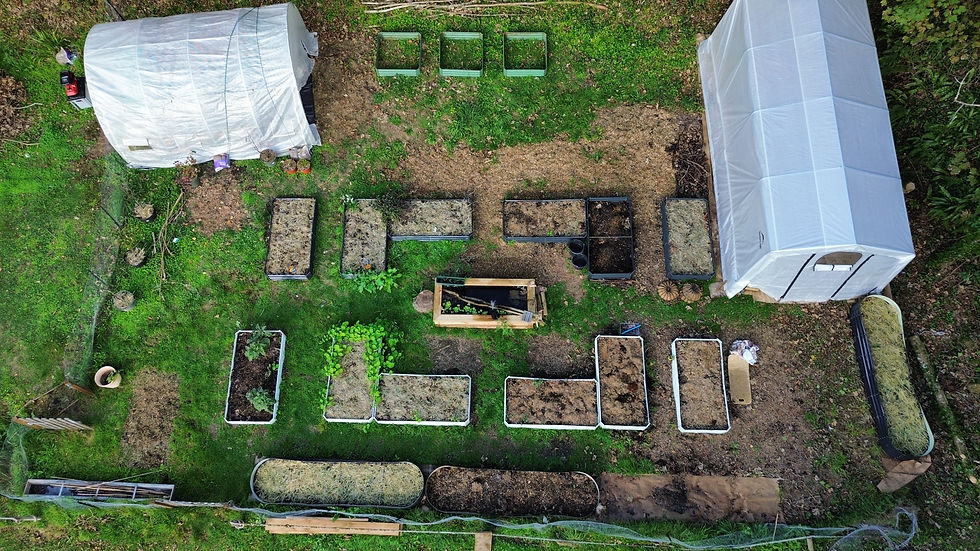
As I explore my own garden, I find inspiration in the intersection of traditional practices and modern techniques. The joy of planting heritage varieties and witnessing their unique growth patterns reminds me of the importance of preserving our agricultural history. Each season brings new lessons, whether it's learning the best companion plants or understanding the local climate's impact on growth. In summary, the role of the traditional kitchen gardener is evolving, blending heritage knowledge with regenerative practices to create sustainable and productive gardens. This journey not only nurtures the land but also fosters a deeper connection to food, culture, and community.

Comments